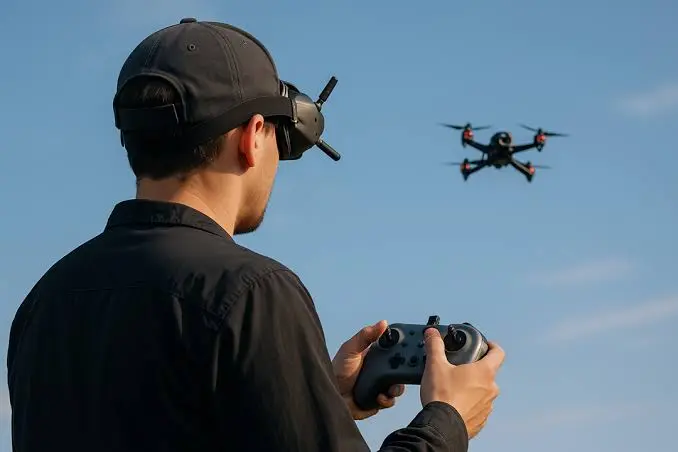
A Drone Flying LED Mesh Screen is a lightweight LED display designed to be carried or suspended in the air using a suitable heavy-lift drone or aerial platform. It combines LED technology with a flexible, lightweight mesh structure to create a large illuminated display that can appear to “fly” in the sky.

Unlike conventional LED walls that remain fixed on the ground, a flying LED mesh display can create a moving aerial advertising experience. Brands can display logos, promotional messages, videos, animations and event graphics in the sky, making it an attention-grabbing option for outdoor advertising, product launches, festivals, sports events and large-scale celebrations.
Specialized drone LED systems use lightweight mesh construction to reduce aerodynamic resistance and overall payload. The exact screen size, pixel pitch and weight depend on the particular LED mesh technology and the drone or aerial platform being used. For example, commercially available systems include P20 and P25 configurations, with P25 systems commonly positioned for larger outdoor aerial displays.
How Does a Drone Flying LED Mesh Screen Work?
A flying LED mesh display generally consists of several integrated components:
- Flexible LED mesh screen
- LED control system
- Battery/power system
- Media player or wireless content system
- Mounting and attachment system
- Suitable heavy-lift drone or aerial platform
The drone is responsible for carrying and positioning the display, while the LED screen has its own power and control system. In some systems, content can be preloaded and controlled wirelessly rather than relying on the drone’s flight-control system.
This separation is important because the drone’s flight system and the LED display system are not necessarily the same system.
Why Use an LED Mesh Instead of a Normal LED Screen?
Traditional LED screens are built using rigid panels. They can provide excellent image quality but are heavy and normally require a supporting structure.
A flying LED mesh screen is designed differently.
The mesh structure can be:
- Lightweight
- Flexible
- Partially transparent
- Modular
- Easier to transport
- More suitable for aerial applications
Some commercially available drone LED mesh specifications show substantially different weights and transparency depending on pixel pitch. For example, a manufacturer’s published specifications list P20 and P25 mesh options with different pixel densities, power requirements and weights.
The biggest advantage?
The screen itself becomes part of the spectacle.
Instead of asking people to look at an LED screen on a stage, the advertising message can become a moving visual element in the sky.
Where Can Drone Flying LED Mesh Screens Be Used?
1. Outdoor Advertising
Flying LED displays can be used to create highly visible advertising campaigns for:
- Real estate projects
- Shopping malls
- Automobile launches
- New product launches
- Retail brands
- Restaurants
- Hotels and resorts
- Corporate brands
For a marketing campaign, the combination of movement + height + illuminated content can make the advertisement significantly more noticeable than a conventional static banner.
2. Sports Events
Sports stadiums and outdoor sporting events can use aerial LED displays for:
- Event branding
- Sponsor advertisements
- Team logos
- Player introductions
- Opening ceremonies
- Tournament announcements
- Promotional messages
This can be particularly effective during an opening ceremony when the screen becomes part of the event performance.
3. Corporate Events
A flying LED display can be used during:
- Product launches
- Corporate celebrations
- Annual events
- Brand activations
- Award functions
- Company anniversaries
Imagine a company logo appearing above an outdoor venue as part of the opening ceremony.
4. Festivals & Entertainment
Flying LED mesh screens can also become part of:
- Music festivals
- Cultural events
- Public celebrations
- Night events
- Stage performances
- Special effects shows
The aerial movement gives event organizers another dimension for visual storytelling.
5. Real Estate Marketing
Real estate developers can use aerial LED displays to promote:
- New villa projects
- DTCP layouts
- Apartment launches
- Commercial developments
- Project launch events
For example, a developer could display the project name, logo, launch date and promotional message above an outdoor launch event.
P20 vs P25 Drone LED Mesh Screen
One of the important specifications you may see when researching flying LED displays is pixel pitch.
P20 means approximately 20 mm pixel pitch, while P25 means approximately 25 mm pixel pitch.
Generally:
| Feature | P20 | P25 |
|---|---|---|
| Pixel pitch | 20 mm | 25 mm |
| Pixel density | Higher | Lower |
| Image detail | Higher | Lower |
| Suitable viewing distance | Relatively closer | Greater distances |
| Potential weight | Higher depending on design | Can be lighter depending on construction |
| Typical use | Higher-detail applications | Large outdoor aerial displays |
Actual specifications vary by manufacturer and construction. One published drone LED specification lists P20 at 2,500 dots/m² and P25 at 1,600 dots/m², illustrating how the larger pixel pitch reduces pixel density.
For large outdoor aerial advertising, the correct choice isn’t simply “the highest resolution.” Screen weight, viewing distance, brightness, wind conditions, drone payload capacity, battery endurance and the required screen size all need to be considered.
How Heavy Is a Drone LED Mesh Screen?
There isn’t one standard weight.
The total weight depends on:
- Pixel pitch
- Screen dimensions
- Mesh construction
- Frame/mounting system
- Power system
- Batteries
- Control equipment
For example, one manufacturer’s published specifications list approximately 1.2 kg/m² for P20 and 0.6 kg/m² for P25, although specifications can vary significantly between products and configurations.
Therefore, you should never select a drone simply based on the screen’s advertised weight.
The complete payload—including the screen, batteries, mounting hardware and control equipment—must be considered, along with appropriate operational safety margins.
Is a Normal DJI Drone Suitable for a Flying LED Mesh Screen?
Not necessarily.
This is one of the most important points to understand.
A conventional camera drone such as a small consumer drone is generally not designed to lift a large LED mesh display. Flying LED screens require an appropriately engineered aerial platform with sufficient payload capability and suitable mounting arrangements.
Some commercially marketed systems are specifically designed around heavy-lift industrial drones and large aerial platforms.
Therefore, do not assume that a DJI camera drone can simply be modified to carry an LED mesh screen.
The complete system needs to be evaluated for:
- Payload
- Flight stability
- Wind conditions
- Battery endurance
- Mounting
- Communications
- Emergency procedures
- Operating environment
- Applicable aviation regulations
How Is Content Displayed on the Flying LED Screen?
The content can include:
Logos → Text → Images → Animations → Videos → Promotional Graphics
Depending on the system, content can be transferred or controlled through a dedicated media player and wireless control system. Some systems use Novastar-based control equipment and wireless content management.
For advertising, the content should be designed specifically for aerial viewing.
Large text, strong contrast and simple graphics generally work better than complicated designs containing very small text.
Drone Flying LED Screen vs Traditional LED Wall
| Feature | Flying LED Mesh Screen | Traditional LED Wall |
|---|---|---|
| Position | Aerial/mobile | Fixed |
| Structure | Flexible mesh | Rigid panels |
| Mobility | Very high | Limited |
| Installation | Specialized aerial setup | Ground/structural installation |
| Visual impact | Extremely high | High |
| Viewing environment | Outdoor/aerial | Stage/building/ground |
| Best suited for | Events & aerial advertising | Events, stages & permanent installations |
The major difference is mobility.
A traditional LED wall is a display.
A flying LED mesh screen can become an advertising experience.
Important Safety & Regulatory Considerations
Flying an LED screen is very different from flying a drone for photography.
Before conducting a commercial aerial display, the operator should evaluate:
- Applicable drone regulations
- Flight permissions and airspace requirements
- Venue restrictions
- Crowd safety
- Weather and wind conditions
- Emergency landing procedures
- Drone payload limitations
- Battery management
- Communication reliability
In India, commercial drone operations must comply with the applicable DGCA/Digital Sky framework and current aviation requirements. Requirements can depend on the drone category, location, operation and circumstances, so the applicable rules and permissions should be verified before each project.
Is Drone Flying LED Advertising Worth It?
For the right event, yes—because the advertising itself becomes the attraction.
A normal banner can be ignored.
A normal LED screen can blend into an event environment.
But a large illuminated display moving through the sky can immediately attract attention.
That makes flying LED advertising particularly interesting for:
Brand launches • Real Estate Promotions • Sports Events • Festivals • Corporate Events • Product Launches • Outdoor Advertising • Grand Openings
Final Thoughts
Drone Flying LED Mesh Screens represent a new form of aerial advertising that combines drone technology, flexible LED displays and creative event production.
Instead of displaying your brand on a fixed billboard, the technology allows your message to become a moving visual spectacle in the sky.
However, choosing the correct screen requires more than looking at P20 or P25. Screen size, pixel pitch, total payload, brightness, wind resistance, battery capacity, drone capability and operational safety all need to be considered.
For businesses looking to create a memorable outdoor promotion, a professionally planned Flying LED Banner / Drone LED Display can offer a unique way to make a brand stand out.